Pacific Palisades
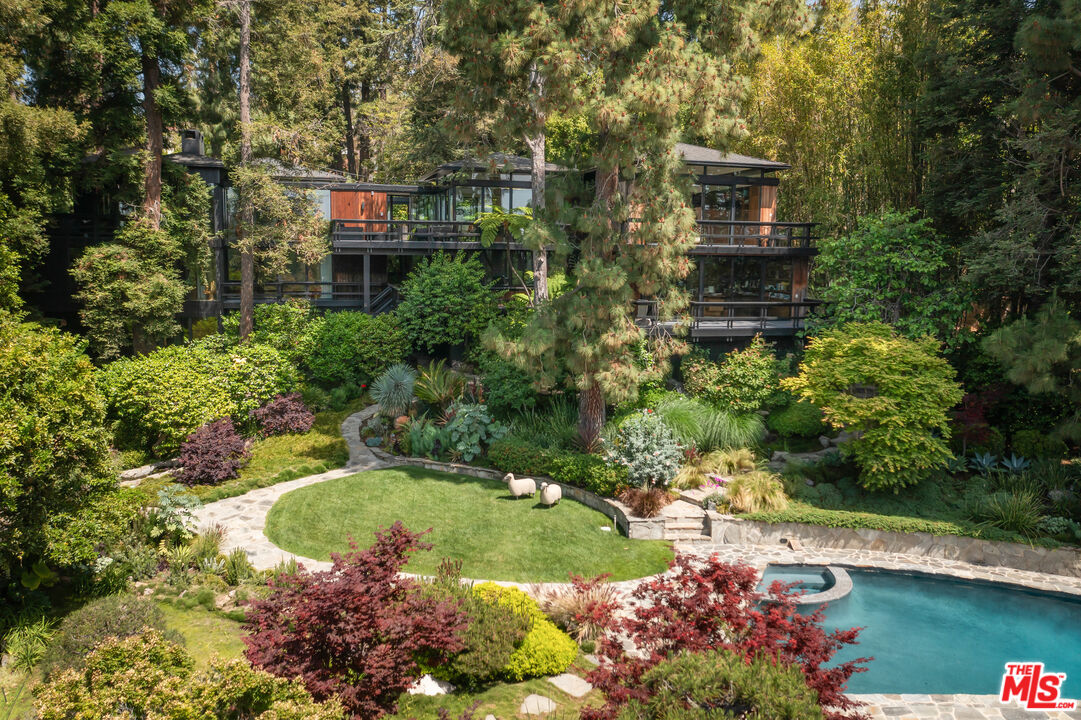
Pacific Palisades the ultimate location for families looking for reclusive, luxurious homes close to all of the best amenities Southern California has to offer.
A
Pacific Palisades the ultimate location for families looking for reclusive, luxurious homes close to all of the best amenities Southern California has to offer.
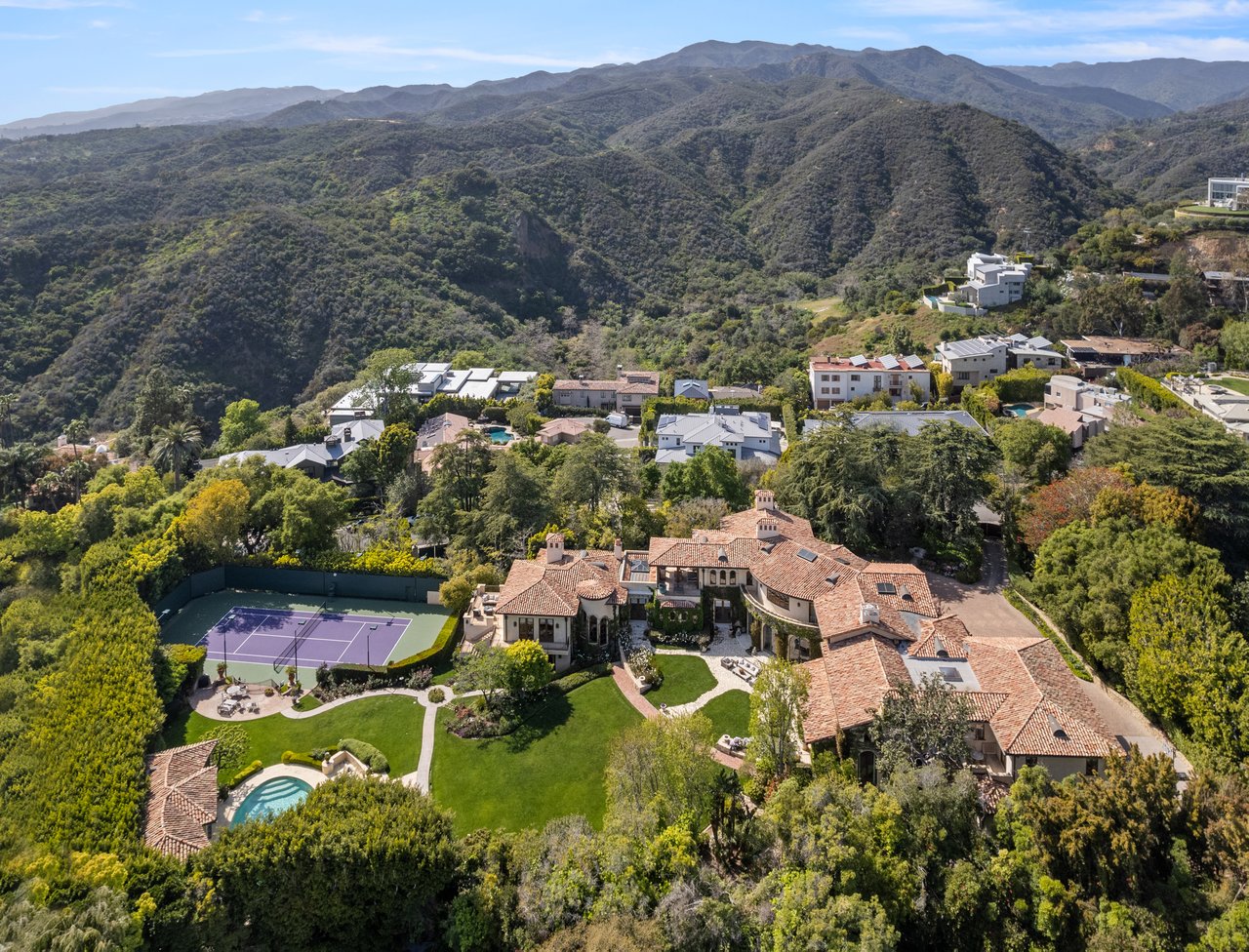
1550 Amalfi DR, PACIFIC PALISADES, CA 90272
$36,995,000
8 Bedrooms12 Bathrooms16,773 Sq.Ft.
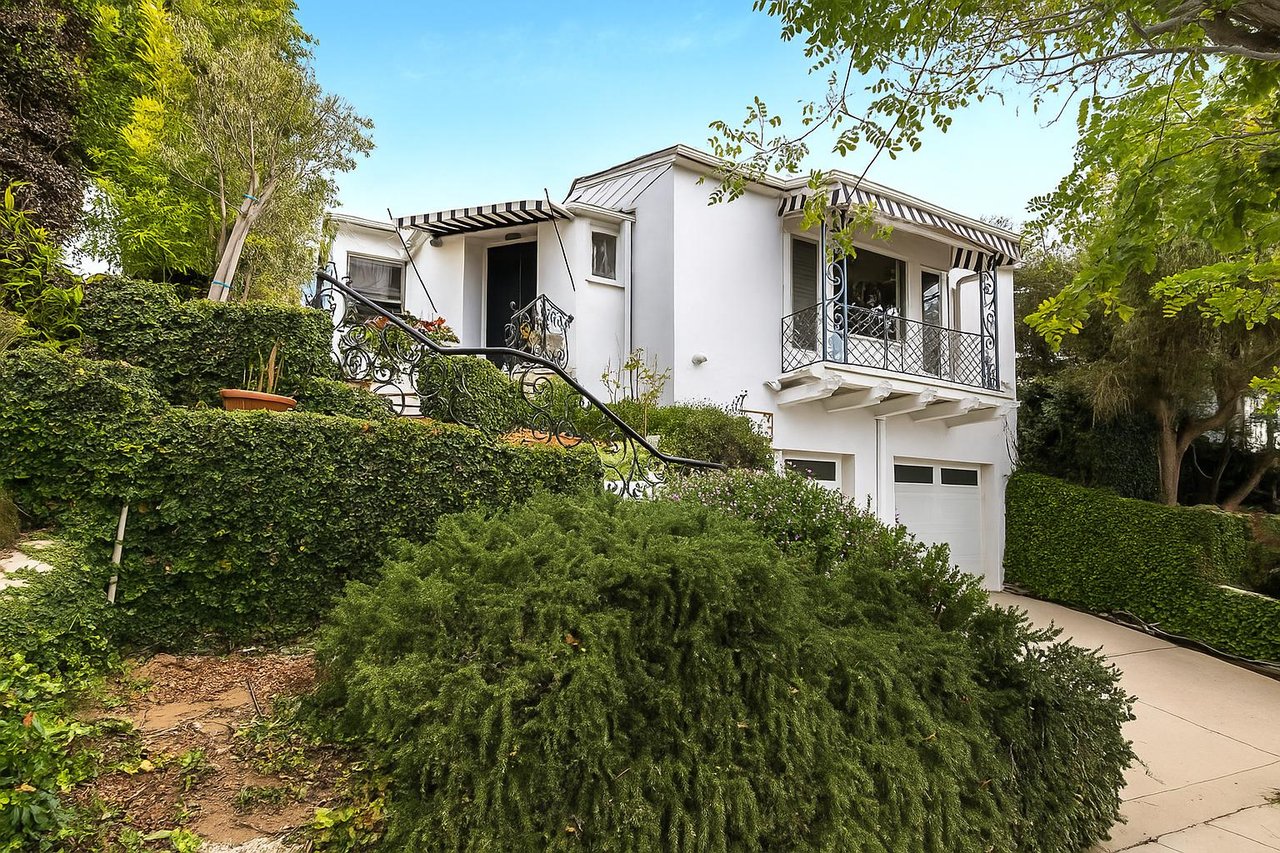
16177 Alcima Ave, Pacific Palisades, CA 90272
$2,050,000
4 Bedrooms3 Bathrooms1,977 Sq.Ft.
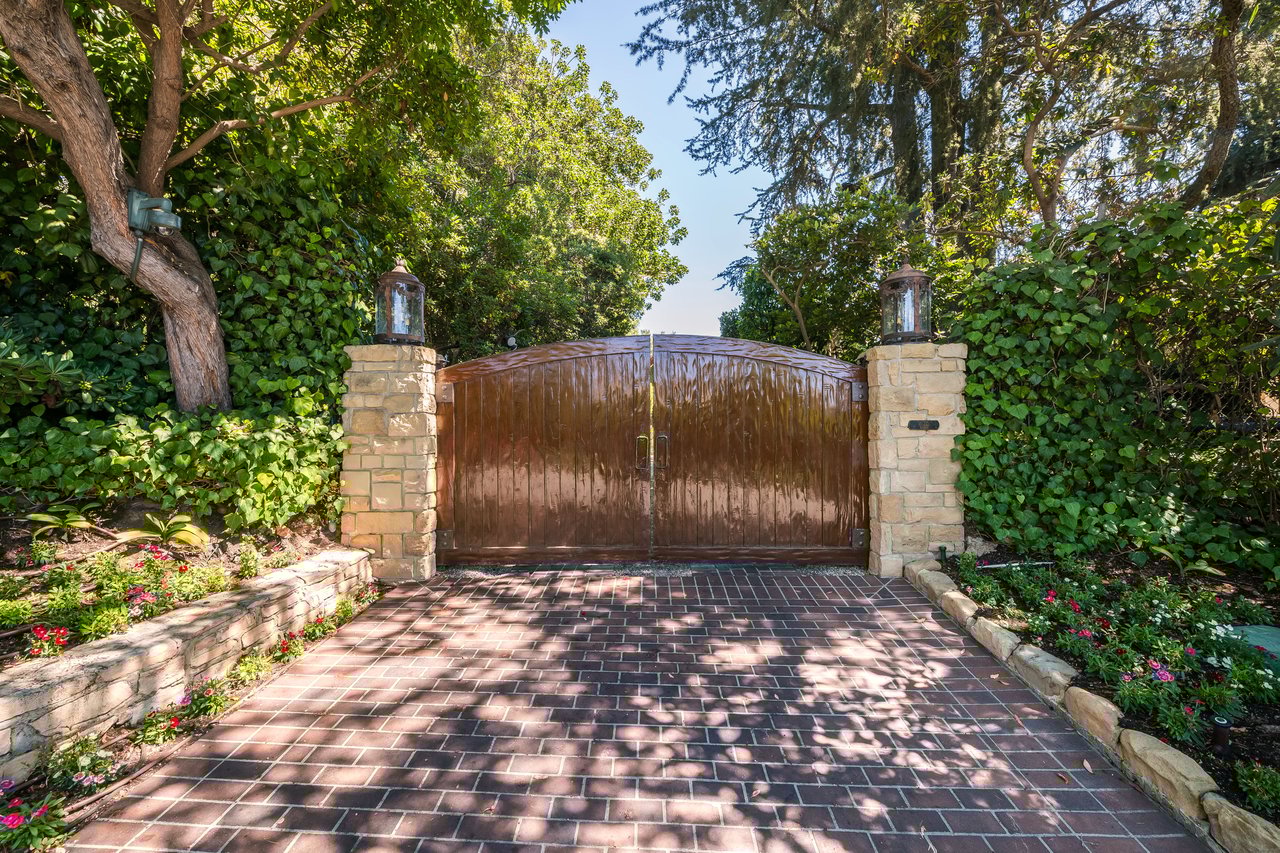
1550 Amalfi Dr, Pacific Palisades, CA 90272
$125,000/mo
8 Bedrooms12 Bathrooms16,773 Sq.Ft.
21,438 people live in Pacific Palisades, where the median age is 47.1 and the average individual income is $145,836. Data provided by the U.S. Census Bureau.
Total Population
Median Age
Population Density Population Density This is the number of people per square mile in a neighborhood.
Average individual Income
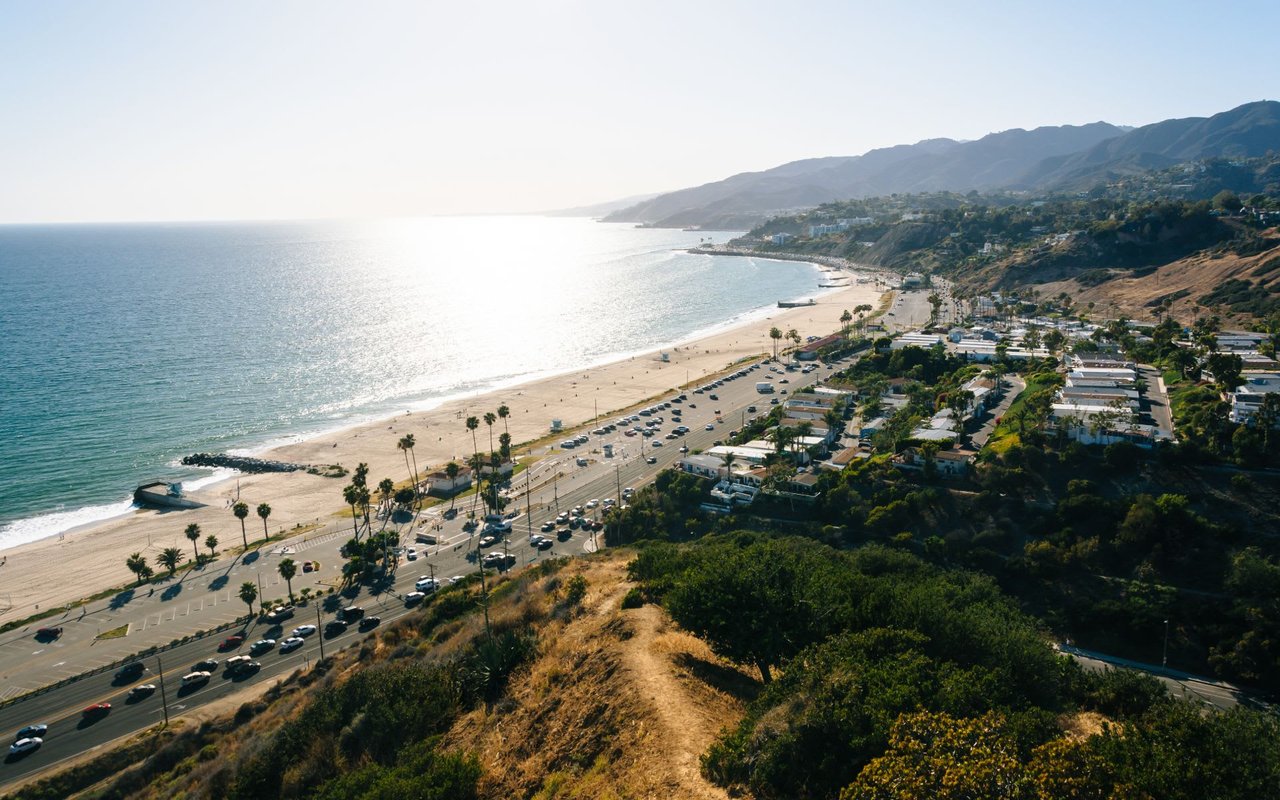
Pacific Palisades has always been a place apart. Set between the Santa Monica Mountains and the Pacific Ocean, it feels like a coastal village that happens to exist within one of the world’s great cities. The streets are quieter here. The trees are older. The sense of community is genuine in a way that surprises people who associate Los Angeles with anonymity. Neighbors know one another. Families walk to school. The farmers’ market is a Sunday institution.
The wildfires of January 2025 changed the physical landscape of parts of this community, but they did not change its spirit. Pacific Palisades is rebuilding with purpose, with resilience, and with the same deep affection for this place that has drawn families here for generations. For Jade Mills, who has long represented some of the Palisades’ most significant properties, the commitment of this community to its future is extraordinary to witness.
The story of Pacific Palisades begins in 1923, when Alphonzo E. Bell Sr., the same visionary who developed Bel Air, purchased 22,000 acres along the coast and in the foothills of the Santa Monica Mountains. Bell developed The Riviera neighborhood in partnership with the Los Angeles Athletic Club, naming its streets after cities on the Italian and French coasts: Amalfi, San Remo, Corsica, Monaco, Sorrento. His ambition was to create a community that reflected European elegance within a California setting.
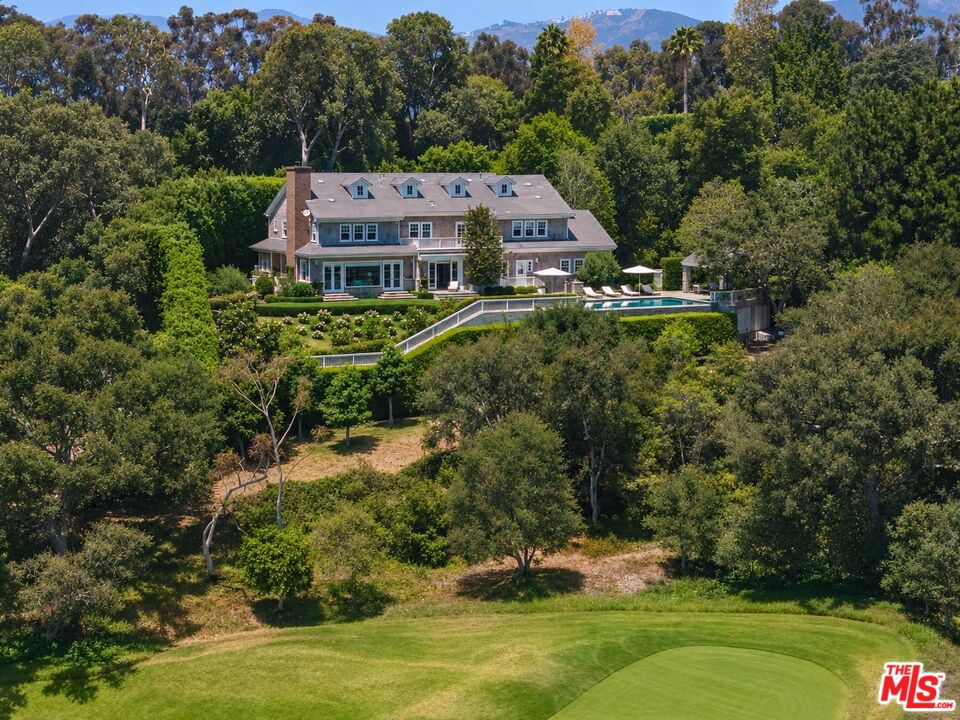
The Riviera Country Club, which opened in 1927, became the neighborhood’s anchor institution and remains one of the most prestigious private clubs in the country. It has hosted the U.S. Open, the PGA Championship, and is scheduled to host golf at the 2028 Olympics.
Pacific Palisades is a large community composed of several distinct areas, each with its own character and appeal.
| Area | Character | Setting |
|---|---|---|
| The Riviera | The most prestigious hillside enclave. Grand custom estates with ocean, canyon, and golf course views. | Named for the Italian and French coasts. Streets wind through the hills above the Riviera Country Club. |
| The Village | The heart of the community. A walkable downtown centered around Sunset Boulevard. | Home to shops, restaurants, and the newly rebuilding Palisades Village retail center. |
| The Alphabet Streets | A family-oriented neighborhood with streets named A through Z. | More contemporary in feel. Smaller lots, but views expand dramatically. |
| Upper Bel Air | Higher elevation, guard-gated enclaves like Bel Air Crest and Bel Air Ridge. | Flat, walkable, and close to schools. A beloved area for young families. |
| The Highlands | Elevated estates with sweeping ridgeline views of the ocean and mountains. | Upper Palisades. Larger lots and a more secluded atmosphere. |
| Castellammare | A dramatic hillside community perched on steep coastal bluffs. | Southern Palisades, bordering Santa Monica. Intimate, with exceptional ocean proximity. |
| Rustic Canyon | A wooded, canyon-floor community with a bohemian sensibility. | Mature trees, creek-side properties, and a quieter, more naturalistic lifestyle. |
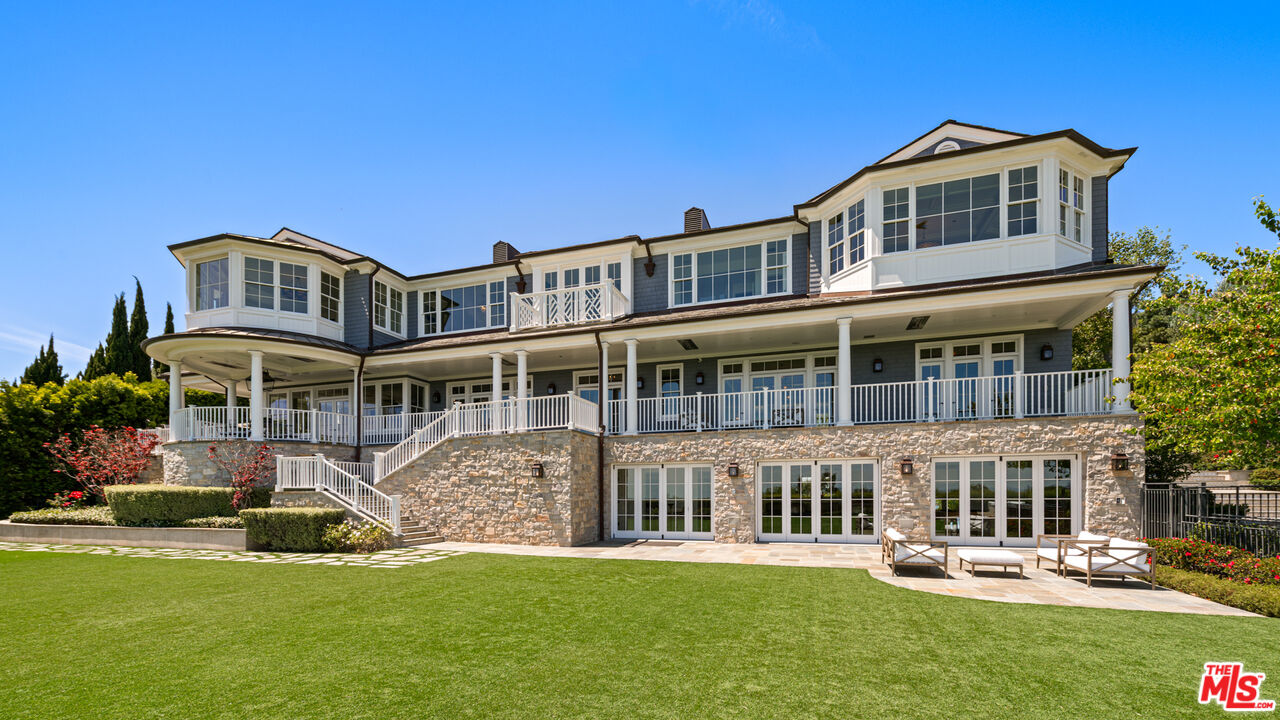
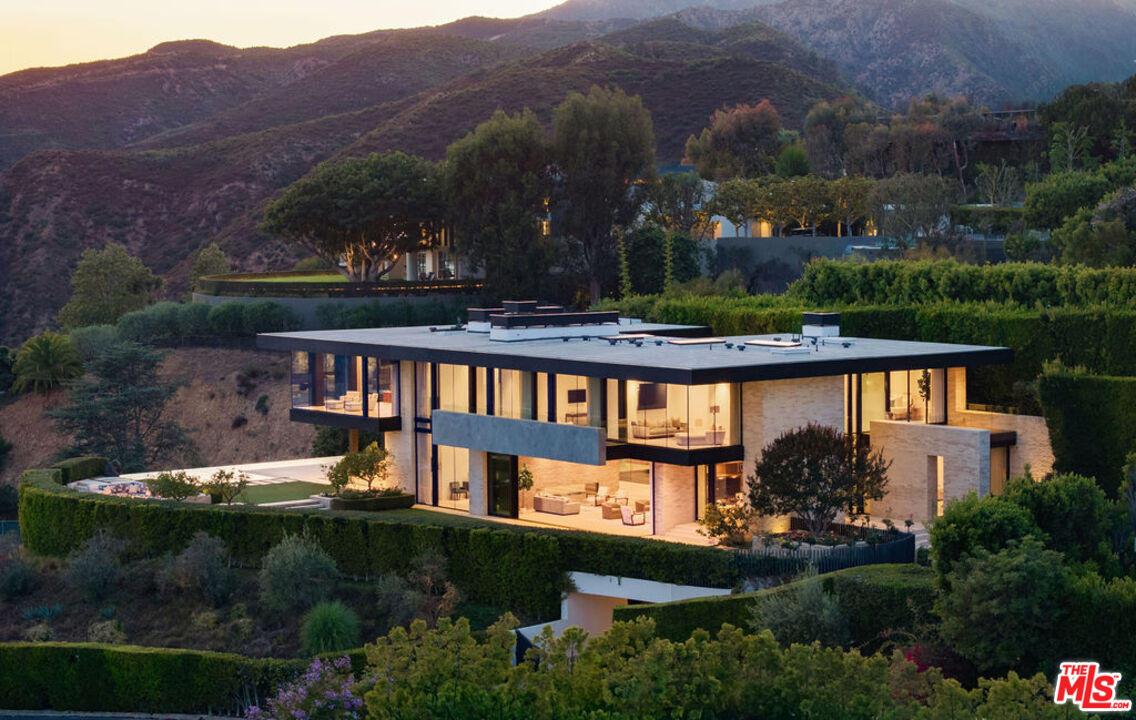
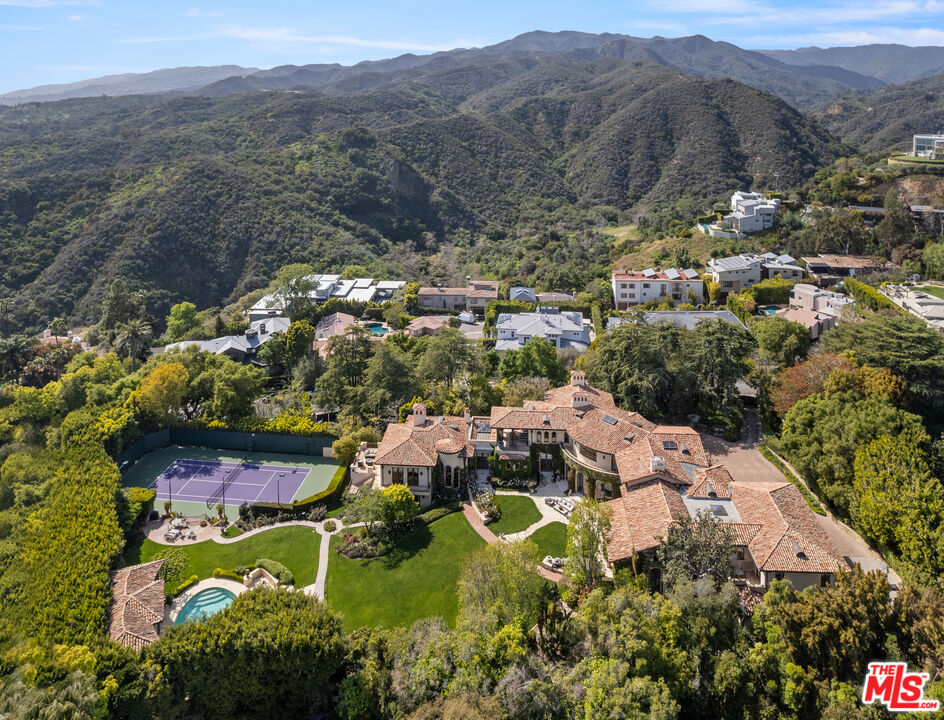
Pacific Palisades has always attracted architects and builders who respond to the landscape. The topography here is dramatic: hillsides that rise steeply from the coast, deep canyons shaded by oaks and sycamores, and bluffs that offer uninterrupted views of the Pacific. The homes reflect that variety.
The January 2025 wildfires caused significant damage to parts of Pacific Palisades, and the recovery is ongoing. Cleanup and rebuilding efforts are underway across affected areas, with families returning and construction visible throughout the community’s streets.
What has emerged in the months since is a renewed commitment to building homes that are not only beautiful but resilient. Architects and builders are incorporating fire-resistant materials, advanced structural engineering, and sustainable design into the next generation of Palisades homes. The result will be a neighborhood that honors its history while embracing the future.
Palisades Village, the retail and gathering space that has served as the community’s social center, is being restored and is expected to reopen fully in 2026. Schools are operational. The Riviera Country Club continues to anchor the community. And families, many of whom considered leaving, are choosing to stay and rebuild. People who leave this part of Los Angeles tend to come back. The weather, the mountains, the ocean, the culture, the sense of belonging: it is simply very hard to replicate.
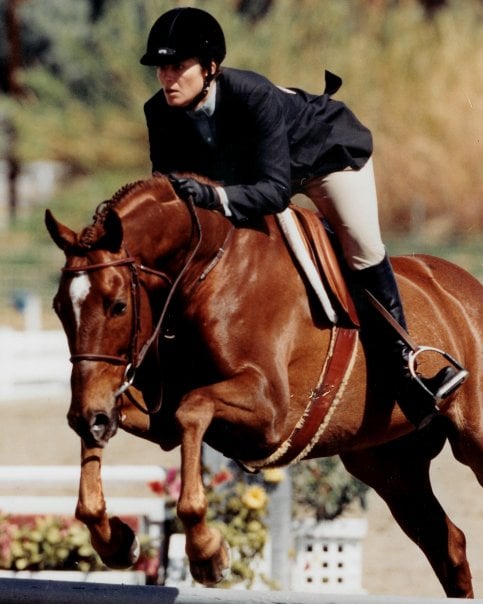
The Palisades is framed by nature. Will Rogers State Historic Park, Temescal Gateway Park, and the vast trail system of the Santa Monica Mountains offer hiking, horseback riding, and open space minutes from home. The coastline, including Will Rogers State Beach, provides surfing, swimming, and the simple pleasure of a sunset walk on the sand.
Education has always been central to the Palisades identity. Palisades Charter Elementary, Paul Revere Middle School, and Palisades Charter High School are among the most respected public schools on the Westside. Private options including Harvard-Westlake, Brentwood School, and Archer School for Girls are all within easy reach.
The Palisades dining scene is intimate and personal. Local favorites reflect the community’s preference for quality over spectacle. The Sunday farmers’ market has long served as the neighborhood’s unofficial town square, a place where families gather, catch up, and start the week together.
In a city that celebrates reinvention, Pacific Palisades is a place that values continuity. Families come here because it feels like home in the deepest sense of the word: safe, warm, connected, and surrounded by natural beauty. The community’s response to adversity has only strengthened that identity. For those who are drawn to a life where the ocean is always close and the neighborhood always feels like it belongs to you, the Palisades remains one of the finest places in the world to call home.
Pacific Palisades has 8,282 households, with an average household size of 2.58. Data provided by the U.S. Census Bureau. Here’s what the people living in Pacific Palisades do for work — and how long it takes them to get there. Data provided by the U.S. Census Bureau. 21,438 people call Pacific Palisades home. The population density is 900.33 and the largest age group is Data provided by the U.S. Census Bureau.
Total Population
Population Density Population Density This is the number of people per square mile in a neighborhood.
Median Age
Men vs Women
Population by Age Group
0-9 Years
10-17 Years
18-24 Years
25-64 Years
65-74 Years
75+ Years
Education Level
Total Households
Average Household Size
Average individual Income
Households with Children
With Children:
Without Children:
Marital Status
Blue vs White Collar Workers
Blue Collar:
White Collar:
There's plenty to do around Pacific Palisades, including shopping, dining, nightlife, parks, and more. Data provided by Walk Score and Yelp.
Explore popular things to do in the area, including Beggies, The Garden Tea at the Villa, and Bat and Grill.
| Name | Category | Distance | Reviews |
Ratings by
Yelp
|
|---|---|---|---|---|
| Dining | 1.99 miles | 0 reviews | 0/5 stars | |
| Dining · $$$ | 2.64 miles | 86 reviews | 3.3/5 stars | |
| Dining | 2.72 miles | 0 reviews | 0/5 stars | |
| Shopping | 2.38 miles | 1 review | 5/5 stars | |
| Shopping | 2.53 miles | 10 reviews | 5/5 stars | |
| Active | 0.43 miles | 1 review | 5/5 stars | |
| Active | 2.14 miles | 8 reviews | 4.5/5 stars | |
| Active | 2.68 miles | 13 reviews | 3.1/5 stars | |
| Active | 2.72 miles | 0 reviews | 0/5 stars | |
| Beauty | 0.08 miles | 0 reviews | 0/5 stars | |
| Beauty | 1.35 miles | 5 reviews | 4.2/5 stars | |
| Beauty | 2.36 miles | 0 reviews | 0/5 stars | |
| Beauty | 2.37 miles | 13 reviews | 3.7/5 stars | |
|
|
||||
|
|
||||
|
|
||||
|
|
||||
|
|
||||
|
|