By Jade Mills
The most interesting thing about ultra-luxury residential design in 2026 is that it feels less interested in proving how luxurious it is. In
Beverly Hills,
Bel Air,
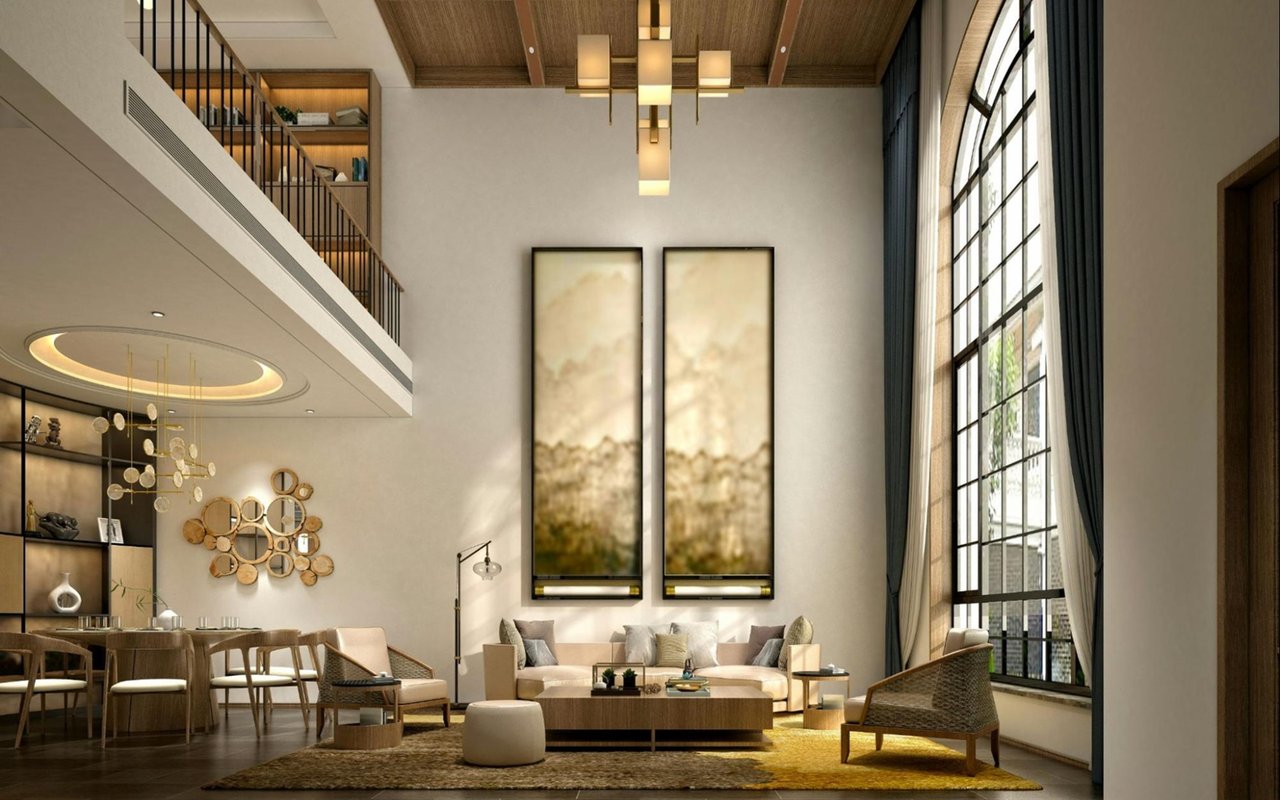
Holmby Hills, and across Los Angeles' upper-end market, I am seeing a clear movement away from visual excess and toward homes that feel coherent, personal, tactile, and deeply connected to their setting. Buyers still expect exceptional materials, technology, and amenities; essentially, all the bells and whistles you could ask for at high-end price points, but delivered with sublime restraint. Luxury is becoming far more subtle, warmer, and more thoughtful about how a residence actually feels to live in.
Key Takeaways
- Quiet luxury and design longevity are replacing obvious trend-chasing.
- Natural materials, tactile surfaces, and warmer palettes are defining high-end interiors.
- Biophilic and site-responsive design are becoming architectural principles rather than decorative ideas.
- Dedicated rooms, including libraries and wellness spaces, are returning after years of open-plan dominance.
- Technology and sustainability are increasingly expected to disappear into the architecture rather than announce themselves.
Quiet Luxury Is Moving From Style to Philosophy
For several years, quiet luxury was mostly discussed in terms of finishes and furnishings. Throughout 2026 and into 2027, I see it becoming a broader design philosophy. The strongest homes don't try to impress through sheer volume of extravagant detailing. Instead, they rely on proportion, craftsmanship, natural materials, and a sense that every element belongs.
- Warmer, more tactile materials are taking over. Honed stone, plaster, walnut, natural fabrics, aged metals, and hand-finished wood are replacing colder, high-gloss finishes.
- Walnut is gaining ground on white oak. Its richer grain and warmer tone are showing up in cabinetry, libraries, paneling, and custom millwork.
- Craftsmanship is becoming more visible. Custom hardware, artisan plaster, hand-cut stone, and bespoke cabinetry bring individuality that mass-produced luxury cannot match.
I find this especially important in Beverly Hills, where buyers are increasingly sensitive to whether a home feels authentic or overly staged. The goal is no longer to make every room look like a hotel lobby. It is to create something that will still feel sophisticated ten or fifteen years from now.
Architecture Is Becoming More Connected to the Site
Some of the most compelling design trends of 2026 are really a return to principles Los Angeles architects have understood for generations. Showcase Southern California homes have always responded to light, topography, landscaping, and views. What has changed is that buyers are paying closer attention to those relationships.
Biophilic design, in particular, has evolved beyond adding plants to an interior.
- Indoor and outdoor materials are becoming more continuous. Stone, wood, and other finishes now extend across thresholds, creating a stronger visual connection between interiors and terraces.
- Courtyards and atriums are returning. Architects are bringing greenery, natural light, and water deeper into the home rather than limiting them to exterior spaces.
- Homes are working with the terrain. In Trousdale Estates, Bel Air, and Beverly Crest, the best contemporary designs respond to the slope, views, and natural contours of the site.
Los Angeles already has an extraordinary architectural heritage built around these ideas. Today's best architects are taking that same philosophy and interpreting it with warmer materials, quieter interiors, and more sophisticated building systems. And doing so without losing sight of the region's trademark grandeur and opulence.
The Open Floor Plan Is Becoming More Selective
One of the biggest shifts I am seeing is a move away from the idea that every room needs to flow into every other room.
Large open living areas are not disappearing, particularly in Los Angeles where entertaining and indoor-outdoor living remain central. But buyers are rediscovering the pleasure of rooms that have a clear purpose.
- The home library is making a comeback. Dedicated reading rooms, book-lined studies, and substantial library alcoves are returning as highly desirable luxury spaces.
- Dining rooms are becoming more intimate. Formal and semi-formal spaces are regaining definition rather than disappearing into the kitchen and great room.
- Wellness spaces are becoming more specialized. Saunas, cold plunges, meditation rooms, massage areas, and recovery suites are being designed as destinations within the home.
This return to dedicated spaces is really about control over atmosphere. A library can feel quiet and enclosed. A dining room can be more theatrical. A wellness room can be acoustically and visually removed from the rest of the residence.
For luxury buyers, that level of intentionality often matters more than simply adding another thousand square feet.
Soft Brutalism and Sculptural Minimalism Are Warming Up Modern Design
Modern architecture remains a dominant presence across much of Los Angeles' upper tier, but the calculating, razor-edge aesthetic has lost some of its momentum. What I am seeing instead is a softer form of modernism that uses concrete, stone, plaster, wood, and metal in more layered ways.
- Concrete is being softened with warmer materials. Oiled wood, linen, bronze, and textured plaster are giving modern architecture a more inviting residential feel.
- Facades are becoming more layered. Stone, wood, metal, and glass are being combined to create greater depth, texture, and architectural rhythm.
- Minimalism is becoming more sculptural. Curved furniture, dramatic staircases, substantial stonework, and statement lighting are adding personality without visual clutter.
This is especially effective in Beverly Hills and Bel Air, where many buyers want contemporary architecture but want it less rigid. The best versions are substantial without being heavy, clean without being sterile, and visually arresting without being ostentatious.
Technology and Sustainability Are Becoming Invisible Essentials
The most advanced homes of 2026 often conceal their most sophisticated features.
Buyers increasingly expect lighting, climate control, audiovisual systems, shades, energy management, and connectivity to work seamlessly in the background. The same is true of sustainability. Solar, battery storage, high-performance glazing, low-VOC materials, water management, and efficient mechanical systems are becoming part of the basic infrastructure rather than a separate marketing story.
- Technology is disappearing into the architecture. Hidden speakers, retractable screens, embedded charging, and simplified controls keep sophisticated systems out of sight.
- Energy performance is becoming an expectation. Solar, battery storage, high-performance glazing, and efficient mechanical systems are increasingly viewed as core infrastructure.
- Material choices are becoming more thoughtful. Reclaimed wood, locally sourced stone, low-impact finishes, and durable materials reflect a greater focus on longevity and responsible design.
I see this as one of the clearest signs of where luxury design is heading. Sophistication is measured by how effortlessly the home performs, not by how much equipment is visible.
FAQs
What is the biggest ultra-luxury design trend in 2026?
The strongest overall trend is restraint. Buyers are gravitating toward warm materials, architectural clarity, craftsmanship, and spaces that feel personal rather than overly decorated. Quiet luxury is less about one aesthetic and more about creating a home that feels enduring.
Are open-concept homes going out of style?
Not entirely. Large connected living areas still work beautifully for entertaining and indoor-outdoor living, especially in Southern California. What is changing is the expectation that every room must follow a similar structure. Libraries, dining rooms, wellness spaces, and studies are being given more definition and purpose.
Which design features are most likely to hold their value?
Exceptional materials, thoughtful architecture, strong indoor-outdoor connections, flexible dedicated rooms, integrated technology, and high-quality energy systems all carry broader staying power than highly specific decorative trends. I always encourage buyers to distinguish between what feels current and what feels genuinely timeless.
Discover More of Los Angeles’ Luxurious Lifestyle with Jade Mills
What I appreciate most about exploring 2026 design trends is an emphasis less on novelty and more on how a home will age. The most successful residences don't try to win attention with one dramatic feature. They are building value through architecture, proportion, craftsmanship, materials, light, landscape, and an increasingly seamless relationship between technology and daily life.
For buyers and sellers in Beverly Hills and across the broader Westside Los Angeles ultra-luxury real estate market, these shifts are worth watching closely. If you are considering a purchase, renovation, or sale and want to understand which design choices are resonating now and carry the most staying power,
contact me, Jade Mills, today. I would love the opportunity to help you navigate this extraordinary real estate market and discover how thoughtful design can support both your current lifestyle and your long-term luxury real estate goals.